

Premises Liability
Torrance Slip and Fall Lawyer
A slick floor at a grocery store, a cracked step in a parking garage, a torn mat by a restaurant door. Falls like these happen in a second and leave people with a broken wrist, a hip fracture, or a head injury that keeps them off work for months. When a property owner let the hazard sit there, you should not be the one paying for it. Our premises liability attorneys build the proof that the owner was negligent and go after the compensation you are owed.
Talk to us for free before you give a recorded statement to the property's insurer. You pay nothing unless we recover for you.
Where It Happens
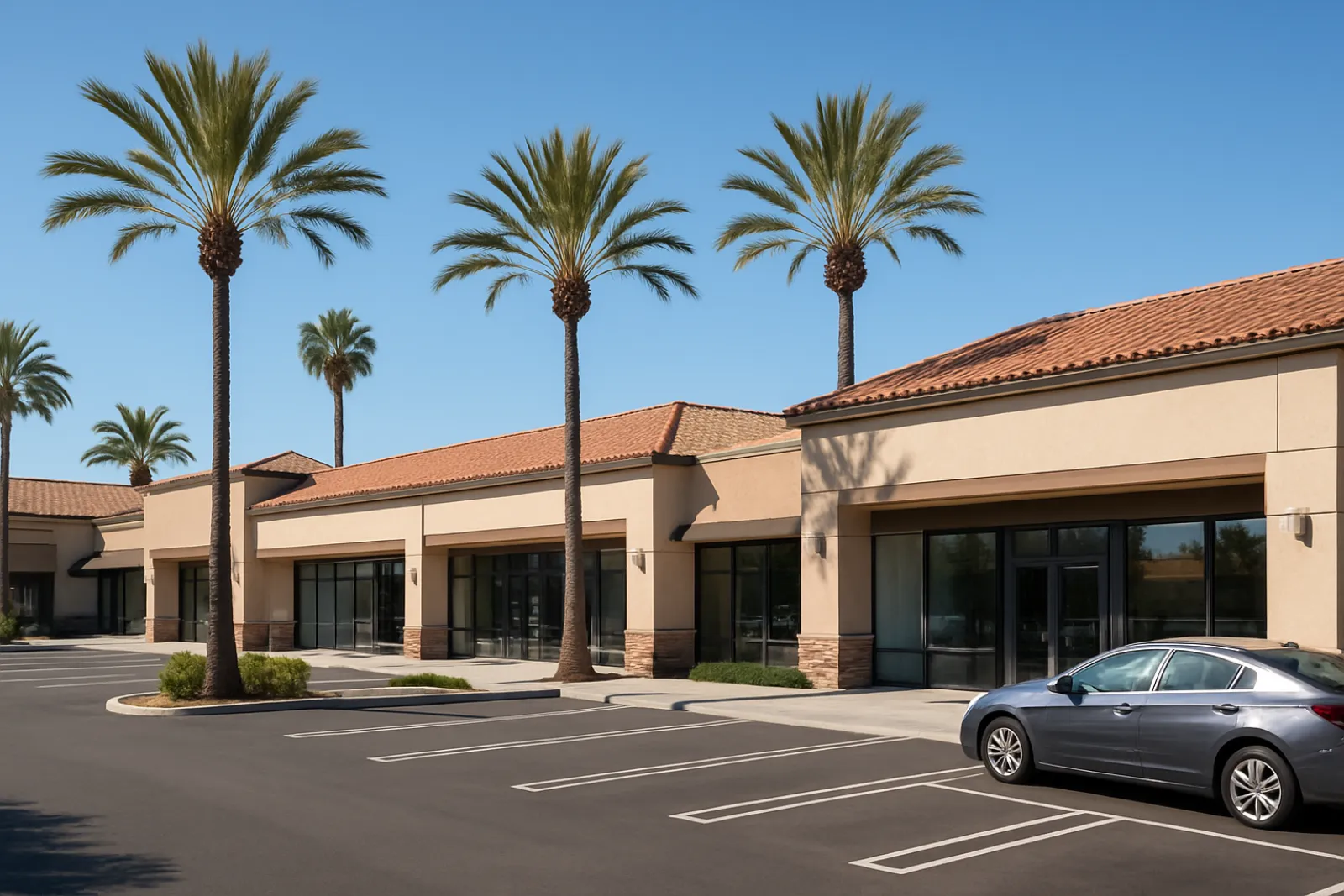
Torrance Is Built Around Retail, and Retail Is Where People Fall
The South Bay runs on shopping and dining. From the Del Amo Fashion Center to the storefronts along Hawthorne and Crenshaw Boulevards, Torrance draws crowds into spaces that owners are supposed to keep safe. Most of the falls we see trace back to the same handful of settings.
Retail and shopping centers
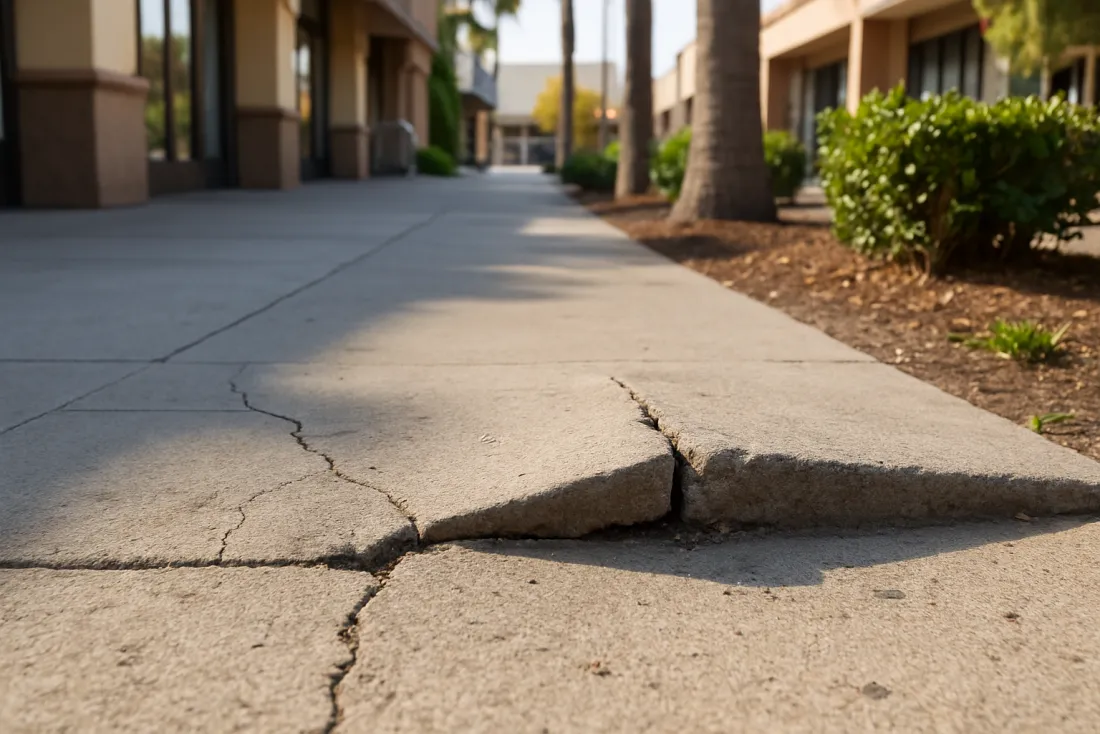
The Del Amo Fashion Center and the strip malls along Hawthorne Boulevard draw heavy foot traffic. Wet entryways, spills left in aisles, and cracked walkways in the parking areas are common sources of injury.
Restaurants and grocery stores
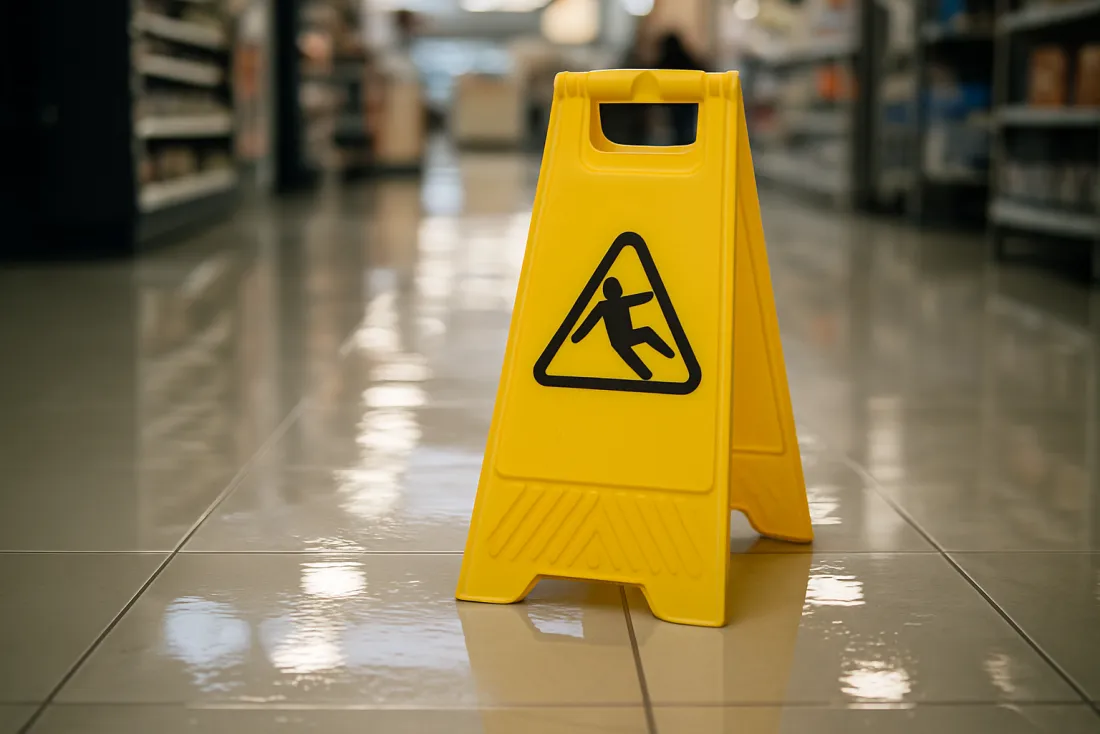
Freshly mopped floors without a warning sign, produce dropped in the aisle, and greasy kitchen entrances put customers on the ground before they know what happened.
Parking structures and garages
Poor lighting, oil slicks, uneven expansion joints, and missing handrails on stairwells cause falls that owners often blame on the visitor.
Apartments and rentals
Broken stair treads, loose handrails, and unlit common walkways in Torrance rental complexes are the landlord's responsibility to fix, not yours to avoid.
The Law
A Property Owner's Duty Under California Law
California expects anyone who owns or controls property to use reasonable care in keeping it safe for the people they invite in. Since the Rowland v. Christian decision, the state no longer sorts visitors into rigid categories that decide whether they get any protection at all. Instead, the question is simpler and harder to dodge: did the owner act reasonably given who was likely to be there and what could go wrong?
A customer walking into a store is owed a lot. The owner has to inspect the property, fix hazards they find, and warn people about dangers they cannot fix right away. The level of care still shifts with the situation. A busy supermarket that sells spillable goods is held to closer inspection routines than a quiet office. But no owner gets to ignore a danger and then blame the person who got hurt.
Notice is the whole ballgame
To win, we do not just show that you fell. We show the owner knew about the hazard or should have known and had time to deal with it. That is the notice requirement, and it is where premises cases are decided. Here is what we prove.
The hazard existed
A wet floor, a torn mat, a broken step, a pothole in the lot. We document the exact condition that caused your fall before the property owner repairs it.
The owner knew or should have known
This is where most cases are won or lost. Actual notice means a staff member saw the spill. Constructive notice means it sat there long enough that a reasonable owner doing regular inspections would have caught it.
The owner failed to act
No cleanup, no warning cone, no repair, no closed-off area. A reasonable property owner in Torrance had time to fix the danger and did nothing.
The failure caused your injury
We connect the fall to your medical treatment with records, imaging, and the timeline, so the insurer cannot argue you were hurt somewhere else.
Evidence Disappears Fast
The Spill Gets Mopped. The Footage Gets Erased. Then It Is Your Word Against Theirs.
Within minutes of your fall, staff clean up the hazard that caused it. Within days or weeks, most security systems record over the video. The incident report the manager filled out goes into a file you cannot reach. Every hour that passes, the proof that would win your case slips further away.
The fix is a preservation letter that puts the property owner and its insurer on legal notice to keep the footage, the report, the maintenance logs, and the inspection records. Sent early, it locks down the facts before anyone can quietly lose them. This is one of the first things we do, and it is a big reason getting a lawyer involved quickly matters more here than in almost any other injury case.
Protect the Evidence NowWhat You Can Recover
Putting a Real Number on a Fall
Falls are not minor just because they sound simple. A broken wrist can mean surgery and hardware. A hip fracture in an older adult can change how they live. A head strike can bring headaches and memory trouble that outlast the bruise. We account for the full weight of the injury, not just the first ER bill.
- Emergency care, imaging, surgery, physical therapy, and future treatment your doctors expect
- Lost wages while you heal, plus reduced earning ability if you cannot return to the same work
- Out-of-pocket costs like medical devices, transportation, and home help
- Pain, limited mobility, and the parts of daily life the injury took from you
Cases in the Torrance area are filed at the Torrance Courthouse on Maple Avenue, part of the Los Angeles Superior Court. We prepare every claim as if it may end up in front of a jury there, which is what tends to move an insurer toward a fair number.
Common Questions
Slip and Fall Questions From Torrance Clients
California gives you two years from the date of the fall to file a personal injury lawsuit under Code of Civil Procedure section 335.1. If you fell on public property, such as a city sidewalk or a government building, you usually have only six months to file a written claim under Government Code section 911.2. Those government deadlines are short and easy to miss, so talk to a lawyer early.
Often, yes. California uses pure comparative fault, so a jury can assign you a share of blame and still award you money. If you are found 20 percent at fault, your compensation is reduced by 20 percent rather than erased. Insurers push the "you should have looked" argument on almost every claim because it saves them money, not because it is always true.
Surveillance video, the store's incident report, photos of the actual hazard, the names of employees on shift, and any prior complaints about the same condition. Much of this sits in the property owner's hands and gets overwritten or discarded fast. A demand to preserve that footage in the first days can make or break the case.
No, but see a doctor now and be honest about the fall. Gaps in treatment are the first thing an insurer points to. Soft tissue injuries, wrist and hip fractures, and head injuries do not always hurt immediately. Getting examined creates the medical record that ties your injury to the fall.
Possibly. Cities can be liable for a dangerous condition of public property, but claims against a government entity follow different rules and much tighter deadlines, generally six months. The city may also argue the defect was trivial. These cases turn on specific measurements and prior repair records, so have a lawyer evaluate it quickly.
More Torrance Injury Help
Other Torrance Injury Practice Areas
Want the full picture? See our statewide California slip and fall page or return to the Torrance personal injury overview.
Get Started
Free Consultation
Free Case Evaluation
Find out if you have a case — takes 2 minutes