

Motorcycle Accidents
Torrance Motorcycle Accident Lawyer
Riders in Torrance deal with something car drivers never do: they are treated as the reckless party before anyone looks at the facts. The adjuster assumes you were speeding. The other driver swears they never saw you. Meanwhile you are the one in the hospital with road rash and broken bones. Our Torrance motorcycle accident attorneys know the law, know the bias, and build the case that puts fault where it belongs.
The first call is free and comes with no obligation. You pay nothing unless we recover for you.

Rider Risk in the South Bay
The Roads and Moves That Take Torrance Riders Down
Riding around Torrance means sharing the 405, PCH, and the big commercial boulevards with drivers who are not looking for a motorcycle. Most crashes trace back to a driver's error, not a rider's. These are the situations we see most.
The 405 and PCH at speed
The San Diego Freeway and Pacific Coast Highway mix fast traffic, sudden slowdowns, and lane changes. A driver who does not check a blind spot can put a rider on the pavement in an instant.
Left-turn blindness
The classic motorcycle crash: a driver turning left across traffic claims they never saw the bike. On busy Torrance boulevards, that failure to look is one of the deadliest patterns for riders.
Door and merge conflicts
Cars drifting between lanes, opening doors, or squeezing a rider toward the shoulder leave little room to react on two wheels.
Road surface hazards
Gravel, potholes, and uneven repairs that a car shrugs off can be enough to bring a motorcycle down at speed.
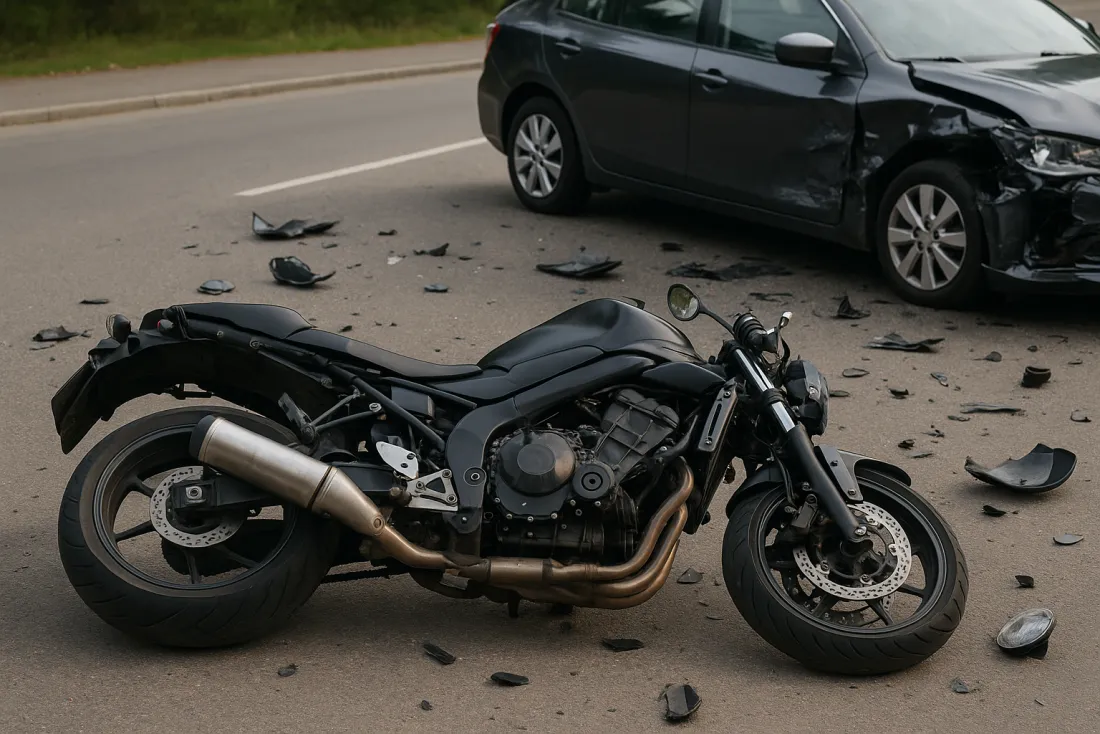
Lane-Splitting Is Legal Here
Vehicle Code 21658.1 Puts California Riders on Solid Ground
California is one of the states that expressly allows lane-splitting. Vehicle Code section 21658.1 authorizes a motorcyclist to ride between rows of stopped or moving vehicles, and it tasks the CHP with issuing safety guidance. That matters because insurers love to argue a rider caused their own crash by splitting lanes.
Legal does not mean fault-proof. A rider still has to split at a reasonable speed and in a reasonable way. But the moment an adjuster claims you were automatically at fault just for being between lanes, they are misstating the law, and we call it out. What decides fault is how each party actually behaved, and often that points straight back at the driver who changed lanes without looking.
Talk to a Rider's AdvocateFighting the Blame Game
The Bias Against Riders, and How We Answer It
There is a stubborn stereotype that motorcyclists are thrill-seekers who bring crashes on themselves. Insurers know it and use it, because a jury that already distrusts riders is a jury inclined to assign you more blame. Beating that starts with evidence, not argument. Skid marks, vehicle damage, camera footage, and a clear reconstruction tell the real story of who did what.
The helmet and gear myth
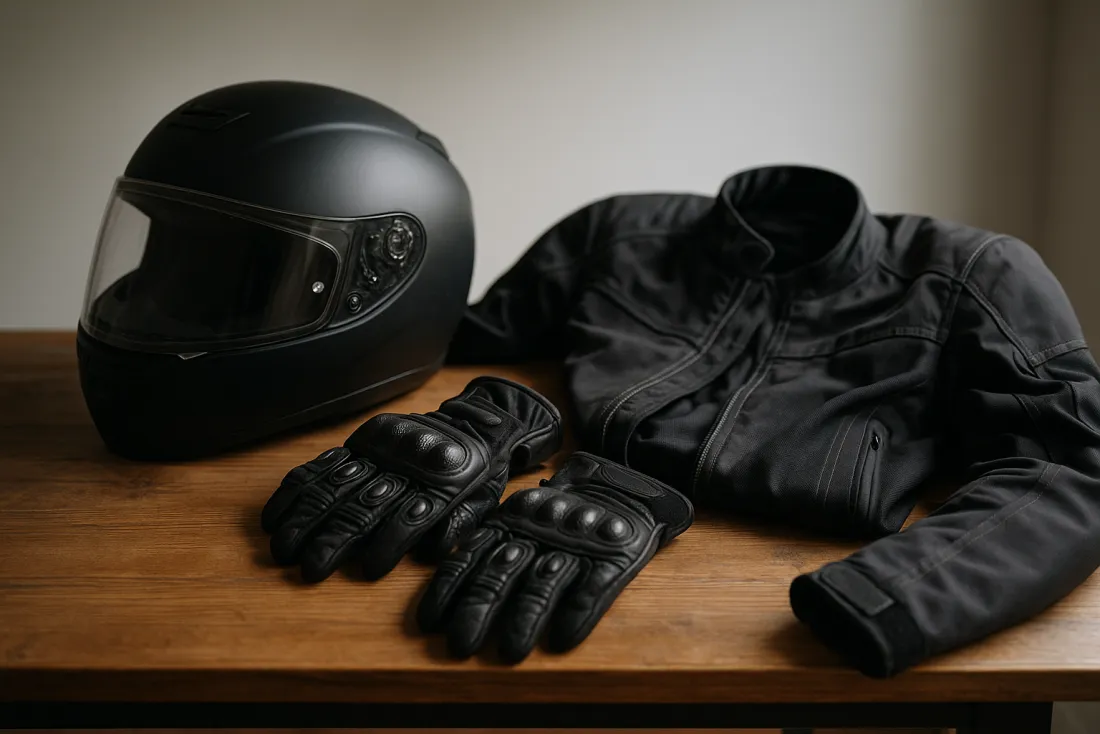
California requires a DOT-approved helmet under Vehicle Code section 27803, and wearing one protects both your head and your claim. But insurers stretch the gear issue past what the law supports. They will point to a missing jacket or boots as if it excuses the driver who ran the light. It does not. Whether you wore every piece of gear has nothing to do with whether the other driver caused the collision.
Where gear does come up, it is usually about the extent of specific injuries, not who is at fault. We keep those two questions separate so a gear debate does not quietly swallow your right to recover. Serious cases in the Torrance area are filed at the Torrance Courthouse on Maple Avenue, and we prepare each one to stand up in front of a jury.
Injuries and Recovery
Rider Injuries and the True Cost of a Crash
When a rider goes down, there is nothing between them and the road. That is why motorcycle injuries tend to be severe and slow to heal, and why the medical side of the case deserves as much attention as the fault side.
- Road rash and degloving injuries that can require skin grafts and leave lasting scars
- Fractures to the arms, legs, wrists, and collarbone, often needing surgery
- Spinal cord injuries that can change mobility for good
- Traumatic brain injuries, even when a helmet was worn
- Internal injuries that need urgent trauma care
A full recovery accounts for the ambulance ride, the surgeries, the rehab, the damaged bike and gear, the wages you lost while off work, and any lasting limits on what you can earn or do. We document each piece so the insurer cannot lowball a serious injury with a quick offer.
Common Questions
Torrance Motorcycle Accident Questions
No. Lane-splitting is legal in California. Vehicle Code section 21658.1 formally authorizes it and directs the CHP to develop safety guidance for riders. An insurer may still try to pin fault on you for splitting, but the practice itself is lawful, and being lawful is a strong starting point for your claim.
Unfortunately, yes. Riders face a bias that car drivers do not. Adjusters, and sometimes jurors, assume a motorcyclist must have been speeding or weaving. We counter that assumption with hard evidence: the crash reconstruction, the vehicle damage, witness accounts, and the other driver's own conduct. Your gear and your skill are not the reason you were hit.
California law under Vehicle Code section 27803 requires a DOT-approved helmet, so that one matters. But the absence of other gear, like a jacket or boots, does not give the at-fault driver a pass for causing the crash. Insurers use the gear argument to shift blame, and we push back on it with the facts of how the collision actually happened.
Two years from the date of the crash for a personal injury lawsuit under Code of Civil Procedure section 335.1. If a government vehicle or a dangerous road condition contributed, you may have as little as six months to file a claim under Government Code section 911.2. Motorcycle injuries are often serious, so do not let the deadline sneak up while you are recovering.
A rider has no cage, no airbags, and no seatbelt. Even at moderate speed, a crash can cause road rash, fractures, spinal injuries, and head trauma. Severe cases often route through a Level I trauma center like Harbor-UCLA near Torrance. Because the injuries run deep, the value of these claims depends heavily on getting the medical documentation right.
More Torrance Injury Help
Other Torrance Injury Practice Areas
Read our statewide California motorcycle accident page, or return to the Torrance personal injury overview.
Get Started
Free Consultation
Free Case Evaluation
Find out if you have a case — takes 2 minutes