

Traumatic Brain Injury
Torrance Brain Injury Lawyer
A brain injury does not just heal and end. It reaches into work, relationships, memory, and independence, sometimes for the rest of a person's life. These are among the hardest cases to value and the ones insurers most want to minimize. Our Torrance brain injury attorneys build claims around the full arc of a TBI, working with trauma physicians and life-care planners so the number reflects a lifetime, not a first hospital bill.
Reach us any time for a free, private conversation. No fee unless we recover for you.
Trauma Care in the South Bay
Where Serious Head Injuries Get Treated Near Torrance
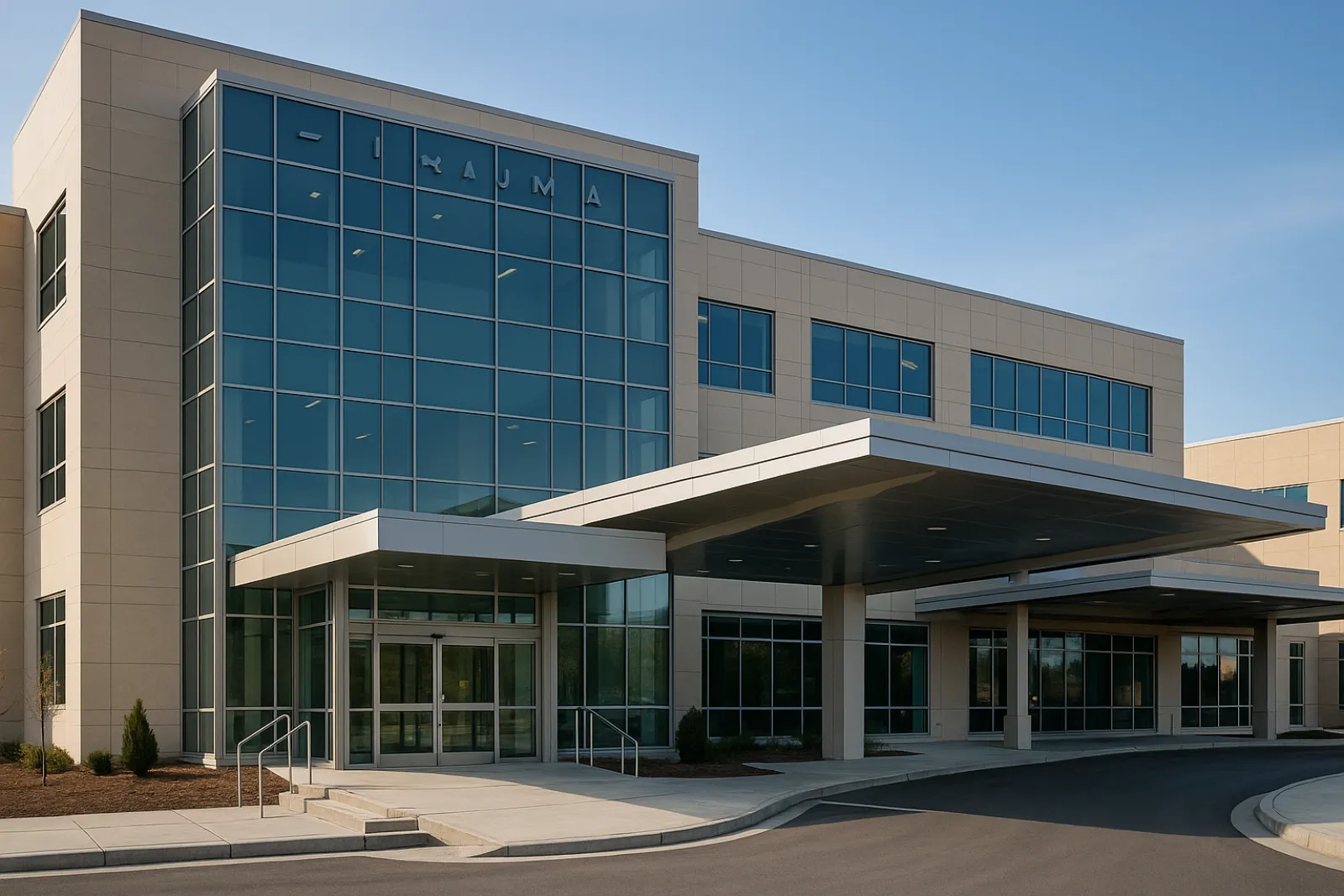
Torrance sits next to one of the region's major trauma resources. Harbor-UCLA Medical Center in nearby West Carson is a Level I trauma center, the highest designation, which means it is equipped to handle the most severe head injuries around the clock. Torrance Memorial Medical Center also serves the community for emergency and follow-up care.
That access matters for two reasons. First, fast trauma care saves lives and can limit the long-term damage from a brain bleed or swelling. Second, the records those hospitals generate, from imaging to neurosurgery notes to rehab evaluations, become the backbone of a strong claim. We gather them early and work with the treating providers to document what the injury really means.
A brain injury can come from a freeway crash on the 405, a fall in a parking structure, a pedestrian struck on Hawthorne, or a motorcycle wreck on PCH. However it happened, the medical picture drives the case.
Understanding TBI
The Word "Mild" Can Be Misleading
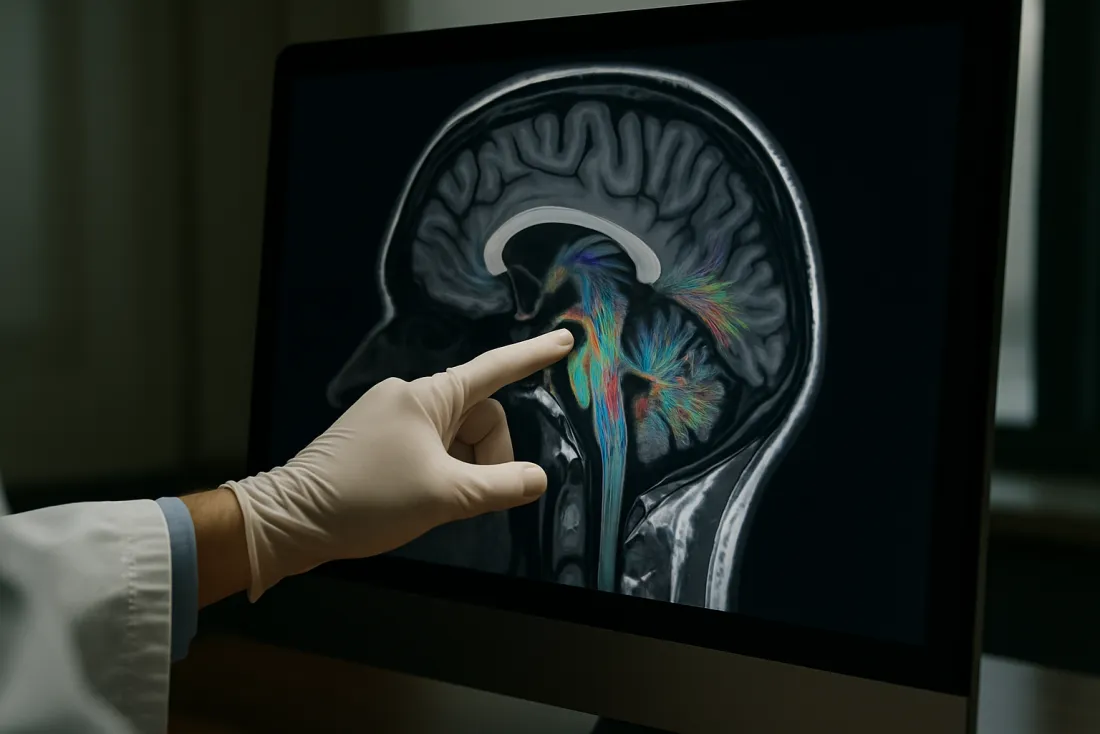
Mild TBI and concussion
Often missed at first. A person may never lose consciousness, then struggle for weeks with headaches, dizziness, trouble concentrating, and mood changes. "Mild" describes the initial scan, not the effect on someone's life.
Moderate TBI
Longer loss of consciousness and confusion, with lasting problems in memory, attention, and physical coordination. Many people need months of rehabilitation and do not fully return to how they were.
Severe TBI
Extended unconsciousness, bleeding or swelling in the brain, and the possibility of permanent cognitive and physical disability. These cases often involve surgery, long hospital stays, and a lifetime of care.
Symptoms Can Show Up Days Later
Watch for These After Any Blow to the Head
People walk away from a crash feeling shaken but okay, then get worse over the next 48 to 72 hours. If you or someone you love shows any of these, get medical care right away and keep a record of it.
- Headaches that get worse instead of better
- Nausea, repeated vomiting, or dizziness
- Trouble finding words, following conversations, or remembering recent events
- Sensitivity to light and noise
- Sleep changes, irritability, anxiety, or depression that was not there before
- One pupil larger than the other, or weakness on one side
Damages and Long-Term Care
Valuing a Lifetime, Not a Line Item
This is where brain injury cases stand apart from other injury claims. The real cost of a TBI is mostly in the future, and proving that future takes specialized work. We assemble a team, usually a treating physician, a neuropsychologist, a life-care planner, and an economist, to map out what recovery and daily living will require and what it will cost. Here is what goes into that picture.
Future medical care
Follow-up neurology, surgeries, imaging, medication, and rehabilitation projected over the years ahead.
Cognitive and physical therapy
Speech, occupational, and physical therapy that may continue long after the hospital discharge.
Home and attendant care
In-home help, home modifications, and supervision when the injury limits independence.
Lost earning capacity
Not just missed paychecks, but the loss of the career and future income the injury took away.
Human losses
Pain, personality changes, strain on family, and the parts of a full life that are hard to put in dollars but still matter.
The life-care plan
A written, costed roadmap that ties every future need together into a number a jury can understand.
Insurers know that if they settle before this work is done, they pay far less. That is exactly why we do not rush a brain injury claim to a quick check. Torrance-area cases are filed at the Torrance Courthouse on Maple Avenue, and we prepare each one to hold up in front of a jury there.
Common Questions
Torrance Brain Injury Questions
Possibly, yes. A standard CT scan can come back clean even when a real brain injury is present, especially with a concussion or diffuse injury. Symptoms that develop over the following days, along with follow-up imaging like an MRI and neuropsychological testing, often tell the true story. Do not let an early "normal" scan talk you out of getting evaluated.
Because a serious TBI keeps costing money for years. The bills in hand today rarely capture future surgeries, ongoing therapy, medication, in-home help, lost earning ability, and the cost of care as needs change. We build the claim around what the injury will require over a lifetime, not just what has been billed so far.
A life-care plan is a detailed, medically grounded projection of everything a person will need going forward: treatment, equipment, home modifications, attendant care, and more, with real costs attached. In a brain injury claim it is one of the most important documents, because it turns a lifetime of future need into a number the insurer and a jury can see.
Generally two years from the date of injury under Code of Civil Procedure section 335.1. If a government vehicle or public property was involved, the deadline to file a claim can be as short as six months under Government Code section 911.2. Brain injuries can also blur the timeline because symptoms surface late, so it is worth confirming your deadline with a lawyer early.
Yes. When an injured person cannot manage their own affairs, a spouse, parent, or other representative can often pursue the claim on their behalf, and California provides for court-appointed representatives where needed. We are used to working with families through that process while their loved one is still in treatment.
More Torrance Injury Help
Other Torrance Injury Practice Areas
See our statewide California traumatic brain injury page, or return to the Torrance personal injury overview.
Get Started
Free Consultation
Free Case Evaluation
Find out if you have a case — takes 2 minutes