

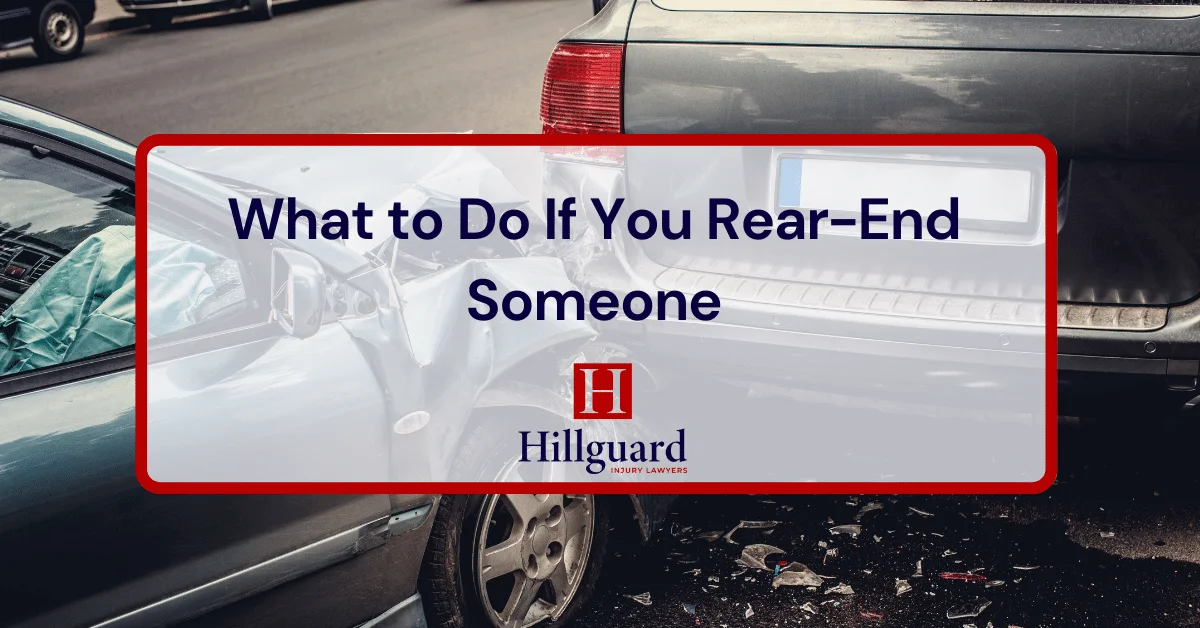
Rear-end collisions are one of the most common types of car accidents in the U.S., often happening in traffic, at stoplights, or during sudden slowdowns. Whether it’s a minor tap or a major crash, rear-ending another driver can be a nerve-wracking experience, especially when you’re at fault. In the moment, it’s easy to panic, but knowing exactly what to do can protect your health, your legal rights, and your finances.
When it happens, you should stay calm and check for injuries. Then, you need to move to a safe area, contact emergency services if needed, exchange information, document the scene, and notify your insurance provider. It’s also important to avoid admitting fault at the scene and to seek legal guidance if things get complicated later.
This article is general information, not legal advice about your specific situation. If you rear-ended another driver, the practical first steps are to document the scene, notify your own insurance company, and talk with a qualified attorney about your responsibilities before giving any recorded statements. If another driver rear-ended you and you were injured, Hillguard Injury Lawyers can discuss your options.
This post will cover what you are to do after a rear-end car accident, whether you’re at fault or not. We’ll also cover the possibility of being sued when you rear-end someone and how a car accident lawyer can help you through the process.
What to Do if You’re at Fault After a Rear-End Car Accident
Getting into a rear-end accident, especially if it’s your fault, is not a comfortable situation. But don’t panic. Mistakes happen, and how you handle the aftermath matters more than the mistake itself. Here are some important steps you should take after a rear-end accident to protect yourself and move forward the right way.
Stay Calm and Ensure Safety
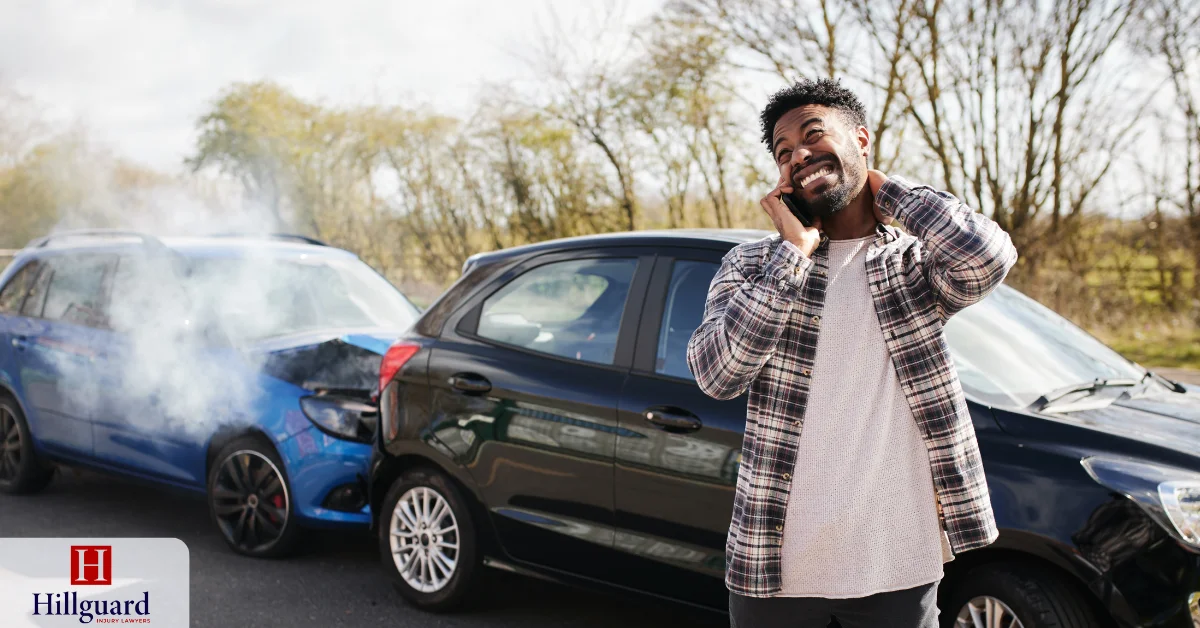
The most important thing you can do right away is take a deep breath and stay calm. Accidents happen to even the most careful drivers, and panicking only makes things worse.
If your car is still drivable, safely pull over to the side of the road or into a nearby parking lot to avoid blocking traffic. Turn on your hazard lights immediately; this alerts other drivers that something’s wrong and helps prevent further accidents. Furthermore, once you’re safely stopped, don’t rush or make sudden movements; focus on keeping everyone safe.
Check for Injuries and Seek Medical Attention
Once you’ve moved to a safe spot, check yourself and your passengers for injuries. It’s common to feel a rush of adrenaline after a crash, which can mask pain or discomfort, so pay attention to even small signs like dizziness or tightness.
Next, check on the other driver and any passengers in their car. Even if the accident seems minor, don’t skip this step. Injuries like whiplash or concussions may not show up right away.
Additionally, call 911 if there are any injuries; yours, theirs, or anyone else’s. Emergency services can help with medical care, document the incident, and create an official police report, which can be key down the line. Even if everyone seems okay, it’s better to be safe than sorry.
Call the Police
Even if the damage looks minor, always call the police. This is important because a police report creates an official, third-party account of what happened. This document could be critical when dealing with insurance companies or if a dispute arises about who’s at fault.
The officer will likely ask for your driver’s license, registration, and proof of insurance. They’ll also want to hear your version of events, just the facts, nothing more.
If the other driver tries to talk you out of calling the police, you should not agree to it. You need to protect yourself. A lack of a police report can present itself as problematic in the future, especially if the other party decides to file a claim or sue.
Exchange Information With the Other Driver
Once emergency services have been contacted, you’ll need to exchange information with the other driver. That includes full name, address, phone number, driver’s license number, insurance policy details, and license plate number. It’s best to take photos of their documents if possible, that way you minimize the chance of errors and have everything recorded accurately.
Document the Scene
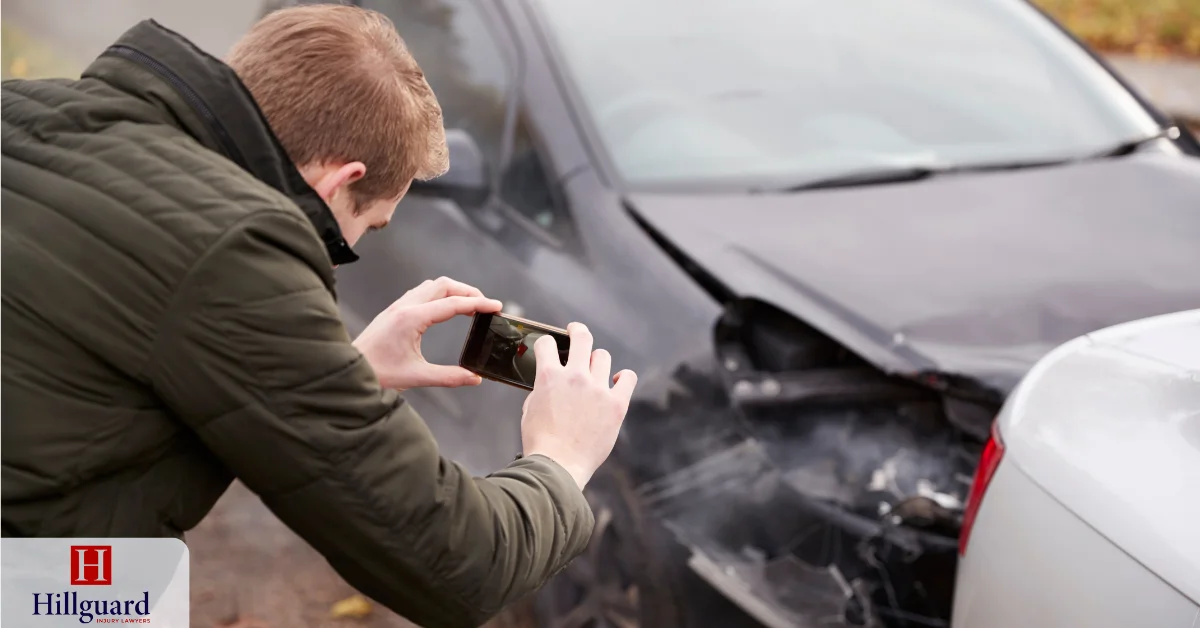
The more evidence you collect at the scene, the better protected you’ll be. Use your phone to take photos of everything: both cars, the damage, license plates, skid marks, traffic signs, and even the general surroundings. Don’t forget to take pictures of any visible injuries, too.
As soon as you can, write down your version of what happened. Your memory will be freshest right after the incident, and those details could be very important later.
If there are any witnesses nearby, ask for their names and contact information. Witness statements can play a big role in clarifying what happened, and in some cases, can even shift how fault is assigned.
Avoid Apologizing or Accepting Blame
This one can be hard, especially if you’re someone who naturally wants to make peace, but do not say “I’m sorry” at the scene. You shouldn’t also admit fault, even if you feel responsible.
Let the insurance companies and police decide who’s at fault based on the evidence. Admitting guilt on the spot can be used against you later, even if it turns out you weren’t entirely at fault.
Contact Your Insurance Company Immediately
You’ll want to report the accident to your insurance provider as soon as possible after the accident, ideally within 24 hours. Let them know what happened, but again, focus on the facts. They’ll want details about the accident, the other driver’s information, and the police report.
Once you file for an insurance claim, your insurance company will walk you through the process. Depending on your policy, they may help with car repairs, medical bills, or even legal support. Furthermore, keep records of all conversations and save every document related to the crash.
Contact a Car Accident Lawyer for Legal Guidance
Even if you think the accident was your fault, you should get a car accident lawyer. An experienced attorney can explain your rights, deal with insurance adjusters, and make sure you’re not being taken advantage of.
Additionally, having a lawyer on your side could be the difference between a fair settlement and an expensive legal mess. They’ll help you understand your options and offer advice on how to move forward.
What Should I Do if the Other Driver Is at Fault?
If it turns out the other driver caused the crash, there are additional steps you should take to protect yourself and strengthen your claim.
Start by getting detailed statements from any witnesses. Ask them to describe exactly what they saw. If they’re comfortable, have them write it down or record a voice memo on your phone. Written statements are incredibly helpful if there’s a dispute later.
If the police don’t take witness statements on the spot, ask for direct contact info so those individuals can be reached later if needed. Names, phone numbers, and even email addresses are what you should ask for.
It’s also important that you make sure that the police report accurately reflects what happened. Don’t be afraid to speak up if the report is missing key facts or if the officer seems unsure about assigning fault. If necessary, follow up afterward to request corrections or additions, because getting the record right can make a huge difference in your case.
Lastly, if the at-fault driver or their insurance company denies your claim, your lawyer may need to file a personal injury lawsuit to pursue compensation for damages.
What Happens if You Rear-End Someone but There’s No Damage?
Rear-end collisions don’t always end in crushed bumpers or shattered glass. Sometimes, both cars look fine, and maybe both drivers feel fine too. But just because there’s no visible damage doesn’t mean you’re off the hook. In fact, rear-ending someone, even at a low speed, can still come with risks that show up long after the moment of impact.
The absence of dents or scratches doesn’t guarantee everything’s okay. The other driver could still suffer soft tissue injuries like whiplash, even in what feels like a minor tap. These types of injuries don’t always show up right away. They might start as a sore neck the next morning, or a persistent headache a few days later. And that’s when the phone rings or a claim hits your insurance.
Even if no one seems injured at the scene, your insurance company may still investigate the accident, especially if the other driver files a claim later. It’s not uncommon for someone to contact their insurer hours or days after the crash, saying they’ve developed symptoms or noticed a problem with their car. That’s why it’s important to report the incident to your insurance provider, even if it seems too small to matter. If a claim comes in and they’re caught off guard, you might lose coverage or have a harder time getting support.
Additionally, you may have the case of possible liability for hidden damages. Modern cars are built to absorb impact in ways that aren’t always visible. That plastic bumper might bounce back into shape, but underneath it, parts like brackets, sensors, or even the vehicle’s frame could be damaged. If the other driver goes to a repair shop and uncovers hidden issues, you could be blamed for that. Furthermore, since rear-end collisions often assume fault lies with the rear driver, your odds of being blamed are higher, unless you’ve properly documented your side of the story.
Another thing that could happen is when issues are not noticed until days later, after the rear-end crash occurred. Maybe the alignment feels off, or the suspension makes a weird noise. They might not think to connect it to the collision until a mechanic points it out, then, suddenly, you’re hearing from their insurance company. This can be frustrating, that’s why it’s important to take photos, write down details, and get contact info from any witnesses, even if the accident seems insignificant.
Lastly, it’s easy to overlook the emotional side of an accident, especially when there’s no visible damage. But some people do experience trauma or psychological stress after a crash. They may develop anxiety, fear of driving, or even symptoms of PTSD. These emotional effects can lead to claims for mental distress, and while they’re harder to prove than physical damage, they’re still very real in the legal world. The best way to protect yourself is to document everything and consult a legal professional if the situation escalates.
Can I Be Sued if I Rear-End Someone?
Unfortunately, yes, you can be sued even if the accident was low-speed and there was no visible damage. If the other driver suffers even a minor injury, they may file a lawsuit seeking compensation for medical expenses, pain and suffering, or lost wages.
Let’s say the other driver gets whiplash and racks up a few physical therapy bills. Even if it doesn’t seem like a big deal to you, they could take legal action if they believe your insurance isn’t covering enough, or at all. In some cases, their lawyer might argue for damages beyond just the medical bills, especially if their daily life has been impacted.
Additionally, things can get even more complicated if the other driver doesn’t have insurance. In that case, they might sue you directly in order to recover the money they need for car repairs or medical care. If your insurance doesn’t provide enough coverage, you might end up paying out of pocket, unless you have strong legal representation on your side.
Most rear-end collisions are almost always assumed to be the fault of the rear driver. That’s the standard. But there are exceptions, like if the other driver slammed on the brakes for no reason, didn’t have working brake lights, or made an unsafe lane change. Moreover, even if the fault isn’t entirely yours, they could still file a claim or a personal injury lawsuit. It all depends on how well the incident is documented and whether you have a legal team ready to protect you.
How a Car Accident Attorney Can Help if You Rear-End Someone
An experienced lawyer can evaluate who was really at fault, especially if there are shared responsibilities. They’ll handle communication with the insurance companies, ensuring you’re not pressured into accepting blame or an unfair settlement. They can review the claim being made against you and advise you before you give any recorded statement, so you understand your responsibilities and avoid saying something that could hurt your position later.
If a lawsuit is filed, your attorney can represent you in court and address the question of liability based on the facts and the evidence. They can even assist with traffic tickets, points on your license, or other penalties stemming from the crash.
Most importantly, a good lawyer gives you peace of mind. They handle the legal stress so you can focus on getting back to normal. Whether you’re dealing with surprise injury claims, emotional distress cases, or a lawsuit from an uninsured driver, having the right legal partner makes all the difference.
Feeling Overwhelmed? A Car Accident Lawyer Has Your Back

If you’ve rear-ended someone, it’s easy to feel like the world is spinning, but take a breath. The key steps are simple: stay calm, check for injuries, move to a safe area, call the police, exchange information, and document everything thoroughly. Once that’s done, notify your insurance company and consider reaching out to a car accident attorney for guidance.
Even in what seems like a minor accident, prioritizing safety, keeping detailed records, and being mindful of what you say at the scene can make a huge difference. Injuries can emerge later. You should also remember that damage might not be immediately visible, and fault isn’t always as clear-cut as it seems. This is why it’s important to know your rights and responsibilities to protect yourself from future legal or financial trouble.
If you rear-ended someone, the core steps stay the same: stay calm, check for injuries, move to a safe spot, call the police, exchange information, and document everything. From there, notify your own insurer and, if the situation gets complicated, get independent legal advice about how to proceed. If another driver rear-ended you and you were hurt, our team at Hillguard Injury Lawyers can talk through your options — reach out here.
FAQs
Rear-end collisions, whether major or minor, can leave you with a lot of questions. Here are some quick answers to common concerns people have after they’ve rear-ended someone or been rear-ended themselves:
Do I Need to Call the Police if the Accident Is Minor?
Yes, it’s usually a good idea to call the police, even for minor accidents. A police report provides an official record that can help protect you if the other driver makes a claim later. It also helps your insurance company assess what happened.
What if the Other Driver Doesn’t Want to Involve the Police?
You can still call the police yourself. It’s your right and responsibility to report an accident. If the other driver insists on not involving authorities, that’s a red flag. Without a report, it’s your word against theirs if anything comes up later.
Can I Still Be Held Responsible for a Rear-End Accident Even if the Other Driver Was Not Driving Properly?
Yes, but it depends. Rear-end collisions are typically blamed on the rear driver, but if the other driver braked suddenly, had malfunctioning brake lights, or acted unpredictably, they could share fault. It’s a good reason to gather detailed evidence and speak with an attorney.
Can Psychological Trauma From a Rear-End Accident Lead To a Claim?
Absolutely. Mental and emotional distress, like anxiety, PTSD, or sleep issues, can be part of a personal injury claim. It’s important to seek medical help and document your symptoms if you’re experiencing psychological effects after a crash.
What Are the Common Injuries From Rear-End Collisions?
The common injuries you could sustain are traumatic brain injuries as a result of hitting another object, whiplash, broken bones, knee and leg injuries, back strain, shoulder damage, and facial wounds.
Related: Rear-end accident settlement timeline
Related: Rear-end accident compensation
Related: What to do when rear-ended
Related: Getting a lawyer for a rear-end accident
Related: Who pays in a rear-end collision