


At Hillguard Injury Lawyers, our attorneys represent people in serious personal injury cases involving insurance negotiations and complex injury claims. Founding partner David E. Jacobson has practiced law in California for more than a decade. If the available coverage falls short, contact us for a free consultation and learn what options may be available in your case.
This blog explains what happens when medical bills exceed insurance policy limits and the options available to help cover the remaining costs.
Understanding Insurance Policy Limits
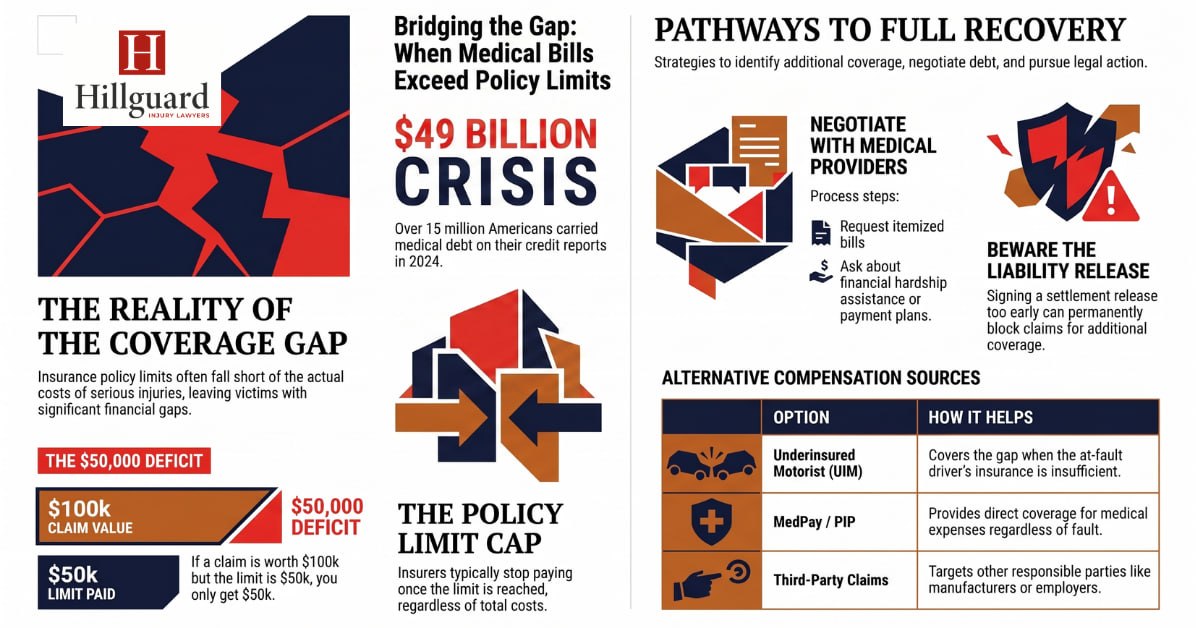
Insurance policy limits set the maximum amount an insurer may pay under a specific coverage. They are not always the same as your actual medical bills or the value of your injury claim. For example, if your injury claim is worth $100,000 but the at-fault driver's limit is $50,000, you'll usually only get $50,000, even if your bills exceed that amount. Knowing your limits upfront helps you plan for possible out-of-pocket costs.
Your limits usually depend on what coverage you picked when you bought your own auto insurance policy. State laws may set minimum amounts, but you can choose higher limits based on your needs and budget. Each type of coverage, like bodily injury, property damage, MedPay, and uninsured motorist, has its own limit.
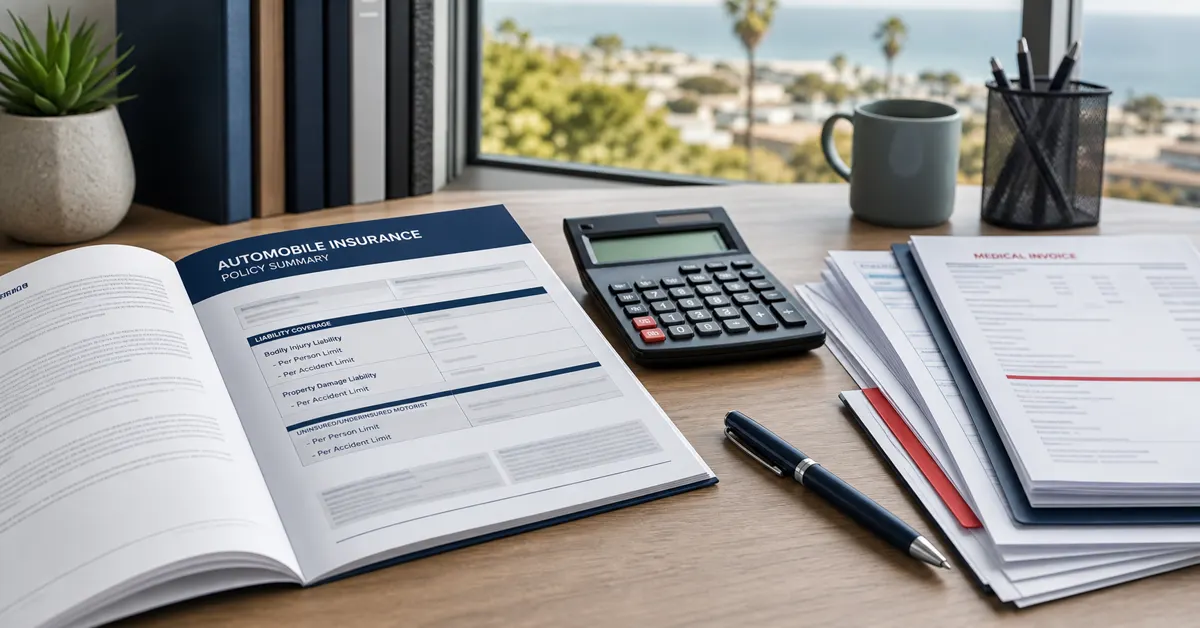
Auto insurance policies usually include per-person and per-accident bodily injury limits. So, a $50,000/$100,000 policy may provide up to $50,000 for one person and $100,000 for everyone injured in one accident. These limits matter in serious accidents because medical bills can quickly exceed the available coverage.
Who Becomes Responsible When Medical Bills Exceed Insurance Limits?
Once your insurer maxes out your policy limit, they usually won’t pay anymore, no matter how high your medical bills get. That can leave a big gap between what insurance covers and what you actually owe. Especially with serious injuries that involve emergency care, surgery, rehabilitation, and ongoing treatment.
According to the Consumer Financial Protection Bureau, over 15 million Americans had medical debt on their credit reports in 2024, totaling more than $49 billion. If those leftover bills aren't paid, you could face collections, extra financial stress, and credit troubles down the road.
But just because you’ve hit the policy limit doesn't always mean you're stuck with the rest of the bill. Depending on your situation, there may still be a few cards left to play. You might have options like underinsured motorist coverage, additional insurance, or valid personal injury claims against responsible parties. Ask your medical providers about payment plans, discounts, or financial help before bills pile up. If someone else was at fault, a personal injury claim may provide another path to help cover those extra costs.
Can You Recover More Than the Insurance Policy Limits?
Yes, you can recover more than the at-fault driver's insurance limit in some cases. Underinsured motorist (UIM) coverage can help cover limited bodily-injury costs when the other driver's policy isn't enough. For instance, if they have $50,000 in coverage but your damages are $100,000, your UIM policy may provide additional compensation, subject to your own UIM limit, the amount already paid, and the policy terms. If you're in California, check your insurance policy to see if you have UIM coverage.
Medical Payments coverage (MedPay) can help with accident-related medical bills, no matter who was at fault, depending on your policy. Personal Injury Protection (PIP) offers even broader benefits in some states. Coverage and requirements differ by state, so check your policy for details. You might also have umbrella or excess liability coverage that kicks in after other policies hit their limits.
Someone else might also be partly responsible for your injuries, like an employer, manufacturer, property owner, or even another driver. Identifying every responsible party matters when one insurance policy is not enough. You can sometimes pursue the at-fault party directly for damages beyond insurance, but collecting from personal assets can be tough if they don't have much. Whether it's worth pursuing depends on their ability to pay.
For example, suppose your car accident causes $150,000 in medical expenses and other damages, while the at-fault driver's policy limit is $50,000. That leaves $100,000 beyond the available liability coverage, but your UIM policy could potentially cover some of that amount. Other liable parties or insurance policies could also provide additional compensation. Your actual recovery depends on the details of your case.
What Are Your Options If Medical Bills Exceed Policy Limits?
Hitting your insurance policy limit doesn't always mean you're out of options for compensation. Depending on your case, you might be able to tap into other insurance, pursue claims against different parties, or explore legal options to cover losses beyond that limit. Here's a quick comparison of your choices and when each might apply.
These options do not guarantee additional compensation, and more than one may apply to the same claim. Your available recovery depends on your injuries, insurance policies, liability, damages, and applicable law.
What Should You Do If Your Medical Bills Exceed Policy Limits?

When your medical bills exceed policy limits, you can pursue a settlement or seek other insurance options. If you’re considering a settlement, take a breath and get the full picture of what's covered and what might still be recovered before accepting a policy-limit settlement.
Signing a release usually ends the claims covered by that release and may limit other recovery options. Before you sign, look for other options, like underinsured motorist coverage, extra insurance, or other parties who might be liable. Because releases can have long-term consequences, it's smart to talk to a personal injury attorney first.
You can also ask medical providers whether they will reduce your balance or offer financial hardship assistance. Always request itemized bills and check for mistakes before setting up a payment plan. Hospitals often let you spread big bills out over smaller monthly payments. If you're considering medical financing, check interest rates and terms before signing up, especially when evaluating payment terms. You can also review medical-debt resources from the California Department of Health Care Access and Information.
Check whether you're eligible for hospital financial help, charity care, or nonprofit programs by calling the billing or assistance office. Negotiating medical bills may also help reduce the financial burden left after an accident.
Make sure you know about any medical liens or insurance reimbursement claims that could affect your settlement. Health insurers often want to be paid back for expenses they covered (that's called subrogation). Handling these claims before your settlement is paid out can help you avoid surprise bills later.
When Should You Consider Filing a Lawsuit?
You may consider filing a lawsuit if someone else caused your injuries or your insurance does not cover your losses. You may also have a case if additional coverage applies or other parties are responsible. Sometimes, legal action becomes necessary when an insurer denies liability or refuses to offer a fair settlement. Before taking that step, understand your case, your options, and whether a lawsuit makes sense for your situation.
Start by collecting your medical records, bills, accident reports, and any other evidence tied to your injuries. Hold onto photos, videos, details about vehicle damage, witness info, and anything else that could support your case. Don't forget to document lost wages, rehabilitation costs, and other financial setbacks. You'll also want to gather insurance details and figure out who else might be responsible.
A lawsuit might help you get more compensation than what the insurance company is willing to put on the table, but it’s rarely quick or easy. You also have to consider legal fees, drawn-out timelines, and the unpredictability of court. Sometimes, even if you win, collecting your money can be a real challenge, especially if the other side doesn’t have deep pockets or enough insurance. Before you file, take a good look at your evidence, what the other side can realistically pay, and how much your claim is really worth. Sometimes, after weighing all this, people realize that the risks and effort just aren’t worth it, and that’s okay too.
How Can a Personal Injury Lawyer Help?

When medical bills exceed policy limits, a personal injury lawyer can help you explore every possible option. They'll review all available coverage, including underinsured motorist or excess policies, to see what may apply. A lawyer can also investigate other potentially liable parties, including employers, vehicle owners, manufacturers, or property owners. Finding extra coverage or liable parties could open up additional paths to compensation. Understanding every available source of compensation can help you make an informed decision about how to move forward.
An experienced car accident lawyer can also help you figure out the full value of your claim, considering everything from medical expenses and lost wages to other damages. They'll handle negotiations with insurers and medical providers, working to get you fair compensation and manageable medical balances. Before you accept a policy-limit settlement, an attorney can review the offer and explain what rights you may be giving up. If negotiations fail, they'll help you decide if filing a personal injury lawsuit is the right move for you.
Hypothetical Case Example
Here's a quick hypothetical example of how Hillguard Injury Lawyers may help when medical bills go beyond policy limits. Imagine Helen, who sustained catastrophic injuries when a truck crashed into her car, leaving her with major neck, leg, and back injuries that needed a lot of care. After realizing her medical bills exceeded what her insurance could cover, Helen looked at options like underinsured motorist coverage, minimum liability coverage, PIP, and any other insurance she had. But those still weren't enough.
That's when she turned to Hillguard Injury Lawyers. Our team took a deep dive into her case, and it turned out the trucking company might’ve dropped the ball on hiring, and there may have been a mechanical defect from the manufacturer. By following up with the at-fault party’s insurance and looking under every rock for coverage, we uncovered extra sources of compensation. In the end, we helped Helen chase down the funds she needed for her medical bills and other accident-related losses.
This is a hypothetical example for illustration purposes only. Results vary depending on the facts and circumstances of each case.
Do Your Medical Bills Exceed Your Policy Limits?
If your insurance doesn't cover all your medical bills, you may still have several options. You might have underinsured motorist, MedPay, PIP, umbrella, or excess coverage that could help. Another person or business may also share responsibility for your injuries and could provide extra compensation. In the meantime, you can often negotiate your medical bills, set up payment plans, or look for financial assistance to manage any remaining balance.
If insurance still leaves you short, it might be time to consider a personal injury lawsuit. Going to court can help you seek compensation from anyone else who may be responsible, beyond what one insurance policy will pay. Before you accept any financial settlement, talk to a personal injury attorney about your coverage, your losses, and any potential claims. Legal action could help you recover money for medical bills, lost wages, and other costs related to your injuries.
At Hillguard Injury Lawyers, our California attorneys represent injured people in insurance claims and personal injury cases. We understand how overwhelming medical bills can become, especially when an insurer reaches its policy limits. If you are facing unpaid medical expenses after an accident, contact us for a free consultation to discuss your legal options.
Frequently Asked Questions
When medical bills exceed your own insurance policy limits, it's natural to wonder who pays the remaining costs and what options are available. Below are answers to the most common questions about policy limits, extra coverage, medical bills, and pursuing compensation after an accident.
What Happens if My Medical Bills Exceed My Insurance Policy Limits?
Your own insurance company usually pays up to your policy limit, which means you could be responsible for the remaining costs. But you might get extra help through underinsured motorist coverage, excess insurance, or by making a car accident claim against someone else who's responsible.
Can I Be Held Personally Responsible for Medical Bills That Exceed Insurance Policy Limits?
If the other driver's insurance doesn't cover the full amount, you may face costs for services not covered or if providers are out-of-network. How much you owe depends on your coverage, the law in your state, and whether there are other ways to pay.
Can I Recover More Than the At-Fault Driver's Insurance Policy Limits?
Yes, you might be able to recover more through uninsured motorist coverage, excess insurance, claims against other responsible parties, or even the at-fault party's assets. What's available depends on your policies, the details of your case, and your state's laws.
What Happens if I Cannot Afford the Medical Bills?
You can talk to your providers about lowering your bills, setting up payment plans, or finding financial assistance programs. Health insurance and legal options might also help you manage or recover unpaid medical expenses.
Should I Accept the Insurance Company's Policy-Limit Settlement?
Do not accept a policy-limit settlement before you've reviewed all your available coverage, potential claims, and the full extent of your damages. If you sign a release too soon, you might lose the chance to recover compensation subsequently.
Will Medical Bills Affect My Credit?
If medical bills go unpaid, they could end up in collections and hurt your credit. It's best to reach out to your providers early and discuss payment options, instead of letting balances pile up.
Disclaimer: Attorney Advertising. This blog provides general information and is not legal advice. Every case is different, and the information provided does not create an attorney-client relationship or guarantee a specific outcome. Laws and legal deadlines may vary by jurisdiction and change over time. For advice about your specific situation, consult an experienced personal injury attorney.