


The California Statute of Limitations for Wrongful Death sets the time limit within which families can take legal action after losing a loved one due to another’s negligence or wrongdoing. In California, you generally have two years from the date of death to file a wrongful death lawsuit. Missing this strict deadline could mean losing your right to seek compensation for your family’s loss, no matter how strong your case might be.
At Hillguard Injury Lawyers, our wrongful death lawyers have extensive experience helping families navigate California’s complex legal deadlines and requirements. Backed by proven results and client-centered representation, we bring expertise, compassion, and a deep understanding of California law to every case. If you have lost someone due to another’s negligent act, contact us today through our homepage or contact page to get the help you deserve.
This article will discuss the statute of limitations for wrongful death in California, when exceptions apply, who can file, and what steps to take to protect your right to compensation.
What Is the Statute of Limitations for Wrongful Death in CA?
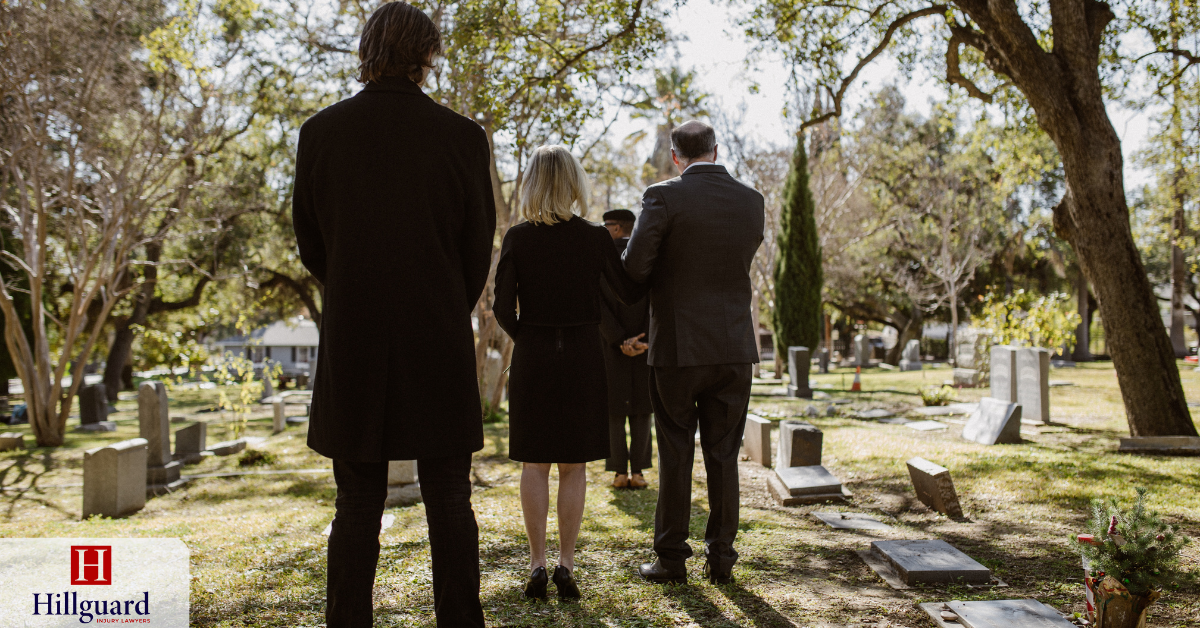
The statute of limitations is the legal time limit to file a claim in civil court. For wrongful death cases, this period sets how long surviving family members have to pursue justice for their loss. In California, the general rule is simple yet critical: under California Code of Civil Procedure § 335.1, families have two years from the date of death to file a wrongful death lawsuit.
This limitations rule exists to ensure fairness and preserve evidence while memories and documentation remain fresh. Once the two-year window closes, the court typically bars recovery, meaning you can no longer recover damages, no matter how legitimate your wrongful death claim may be. That’s why understanding and acting on the statute of limitations is one of the most important steps you can take after a tragic loss.
Are There Any Exceptions to the 2-Year Rule?
While the two-year deadline is standard, several exceptions can extend or shorten the filing period depending on the circumstances. California law recognizes that not all wrongful death cases are the same, especially when factors like medical negligence, minors, or government entities are involved.
1. Medical Malpractice Wrongful Death Cases:
If the death resulted from medical malpractice, families must file within three years from the date of injury or one year from the date of discovery, whichever comes first. For instance, if a healthcare provider’s negligence caused harm that wasn’t immediately clear, the one-year rule may begin once the family learns of the wrongful act or should have reasonably discovered it. These cases often involve complex timelines, and expert testimony is required to establish when the victim’s death was connected to the provider’s error.
2. Government Entities
Families must act swiftly when a government entity—such as a city, county, or public hospital—is involved. California requires a government claim to be filed within six months of the death before pursuing a wrongful death lawsuit in civil court. Missing this short deadline usually prevents any later lawsuit, even if negligence is clear.
3. Minors as Heirs
If an eligible heir is a minor, the statute may be tolled (paused) until they turn 18. This ensures that a child’s rights aren’t lost simply because they were too young to file. However, if other adult heirs exist, the claim typically must still proceed within the standard two-year timeframe.
4. Discovery Rule
The discovery rule applies when the cause of death wasn’t immediately known. In these cases, the statute begins when the plaintiff reasonably should have discovered that a wrongful act caused the deceased person’s death.
For example, if a dangerous product or toxic exposure was only later linked to the fatality, the clock starts ticking from that point of discovery and not from the actual date of death.
Who Can File a Wrongful Death Lawsuit in California?

Not everyone can file a wrongful death lawsuit. California law limits eligibility to specific individuals. Generally, spouses, domestic partners, and children have the primary right to file. If none of these relatives exist, others such as parents, stepchildren, putative spouses, or financial dependents may be eligible.
Eligibility is important because the ability to bring the action depends heavily on timing and filing. For instance, if one eligible heir fails to participate, it could complicate or delay the process. In many cases, all the heirs must be included to ensure the claim proceeds appropriately under California’s civil procedure rules. Because wrongful death in California often involves complex family dynamics and multiple heirs, legal guidance is essential to protect everyone’s interests and avoid multiple lawsuits that could jeopardize recovery.
Can the Statute of Limitations Be Tolled in Wrongful Death Cases?
“Tolling” refers to pausing or delaying the running of the statute of limitations under certain conditions. In wrongful death cases, tolling might apply when minors are involved, when the responsible party is unknown, or when fraud concealed the cause of death. For example, if a government entity withheld crucial evidence about its role in someone’s wrongful act, the court may toll the statute until discovery occurs.
To understand tolling more clearly, it helps to look at how courts have approached the issue in similar contexts. In United States v. June, the U.S. Supreme Court considered whether a strict two-year filing limit under the Federal Tort Claims Act could still be extended under the principle of equitable tolling. The case revolved around fairness, specifically, whether a person who diligently tried to pursue justice but was prevented by circumstances beyond their control should lose their right to file altogether.
In that case, the government argued the deadline was “jurisdictional,” meaning absolute and not subject to exceptions. But June’s side pointed out that, unless Congress clearly says otherwise, courts generally presume that time limits can be tolled in the interest of fairness. This reflects a broader legal principle: when someone could not have reasonably discovered or acted on their claim in time, equity can step in to pause the clock.
While June dealt with federal law, the same spirit applies in California wrongful death cases. Courts may allow tolling if, for example, the defendant concealed key facts, the plaintiff was a minor, or the cause of death wasn’t immediately discoverable. In essence, tolling prevents injustice when strict time limits would unfairly bar a rightful claim.
Additionally, the discovery rule plays a key role here. It effectively extends the filing period until the victim’s family discovers, or should have discovered, the cause of death. Tolling gives families additional time to gather evidence and consult attorneys before filing. However, tolling does not last indefinitely, so it is advisable to assume that time is not on your side.
What Happens if I Miss the Deadline to File a Wrongful Death Lawsuit?
Missing the statute of limitations deadline can have devastating consequences. Once the period expires, the court will almost certainly dismiss the wrongful death lawsuit, leaving you unable to recover damages or hold the responsible party accountable. This means no economic damages like lost income, funeral, or burial expenses, and no non-economic damages for emotional distress, loss of companionship, or guidance.
There are limited remedies if you miss the filing date. Sometimes, exceptions such as the discovery rule or tolling for minors may revive a case, but these are rare. The safest approach is to act early and work with an experienced law firm that understands the complexities of California wrongful death statute and related deadlines.
How to File a Wrongful Death Claim on Time
To file a wrongful death claim within California’s legal deadlines, timing is everything.
- Start by confirming the two-year limit from the date of death.
- Check whether special exceptions—such as those involving government entities, medical malpractice, or minors—apply to your case.
- Consulting a personal injury attorney early is critical. A knowledgeable lawyer can calculate your exact deadline, identify exceptions, and ensure all required paperwork is filed correctly.
- If your case involves a public agency, you’ll need to submit a government claim within six months before heading to civil court.
- Ensure that you gather key documentation such as medical records, death certificates, and accident reports. These records take time to obtain and are essential to proving negligence.
- Remember, talking to insurers doesn’t pause the statute of limitations, so you must file your claim on time even if negotiations are ongoing.
- Ensure that family members or eligible heirs are coordinated under a single claim. This is because California’s “one action rule” generally allows only one lawsuit per wrongful death.
Ultimately, acting promptly helps protect your rights and maximize your chances of a successful wrongful death lawsuit.
How Much Is a Wrongful Death Lawsuit Worth in California?

There’s no fixed value for a wrongful death lawsuit in California, as each case is unique. Courts and insurers consider a range of factors, including economic damages like lost income, medical bills, funeral costs, and burial expenses, as well as non-economic damages such as loss of companionship, love, and emotional support.
The decedent’s age, health, and earning potential can significantly influence the outcome. For instance, the wrongful death damages awarded for a younger, higher-earning individual with dependents are typically higher than those for someone retired or with limited income. The strength of evidence, clarity of negligence, and the responsible party’s insurance coverage also play major roles.
Additionally, jury trials can yield unpredictable results, sometimes awarding large verdicts when liability is clear and the loss is profound. However, settlements often provide faster resolution, though they may be lower in value. In either scenario, working with skilled wrongful death attorneys helps ensure you pursue full and fair compensation while avoiding costly procedural errors.
Seek Justice For Your Wrongful Death Case Today
The California Statute of Limitations for Wrongful Death gives most families two years from the date of death to take action, with exceptions for medical malpractice, government entities, and minor heirs. Acting within these limits is crucial to protect your right to compensation. At Hillguard Injury Lawyers, we help clients navigate deadlines, gather evidence, and build a strong case for justice.
Time is always of the essence following a tragedy. Consulting an attorney early ensures that your wrongful death claim is filed correctly and on time, preserving your chance to recover damages and hold the responsible party accountable.
At Hillguard Injury Lawyers, we combine deep experience with compassionate representation. Our wrongful death lawyers understand the sensitivity of these cases and work tirelessly to deliver results that matter. Contact us today to schedule a free consultation and take the first step toward justice.
FAQs About California’s Wrongful Death Statute of Limitations
Losing someone unexpectedly is devastating, and understanding your rights under California law can feel overwhelming. These frequently asked questions break down key points about wrongful death in California and the deadlines that apply.
What Is the New Law in California for Wrongful Death?
Recent updates to California law have clarified and reinforced the two-year statute of limitations for wrongful death. However, changes to related laws—like those involving medical negligence and government claims—affect specific cases.
What Is the Cap on Wrongful Death Damages in California?
In most wrongful death cases, California does not cap damages. However, in medical malpractice claims, non-economic damages are limited under the state’s Medical Injury Compensation Reform Act (MICRA).
What Is Considered Wrongful Death in California?
A wrongful death occurs when a person is killed due to someone’s wrongful act, negligence, or intentional misconduct. Common causes include car accidents, pedestrian accidents, defective products, or elder abuse.
Can You Sue for Medical Negligence After 3 Years in California?
Generally, no. For medical malpractice cases, you must file within three years of the injury or one year from discovery, whichever comes first.
Are Wrongful Death Cases Hard to Win?
They can be complex. Proving negligence, causation, and damages requires strong evidence and expert testimony. Partnering with experienced wrongful death attorneys significantly increases your chances of winning your claim.
Who Gets the Money in a Wrongful Death Lawsuit in California?
Compensation typically goes to the deceased’s family members, including spouses, domestic partners, children, or financial dependents. Distribution follows California’s intestate succession laws if there’s no will.
What is the One Action Rule for Wrongful Death in California?
California’s one-action rule requires that all eligible heirs join together in a single wrongful death action. This prevents multiple lawsuits arising from the same death and ensures fair distribution among heirs.


