
Motorcycle Accident Lawyers in California
Motorcyclists are vulnerable on the road, and accidents often lead to catastrophic injuries. Hillguard Injury Lawyers ensures riders get the justice and compensation they need for medical care, lost wages, and long-term recovery. If you have been injured in a motorcycle accident, get the legal help you need by contacting our Motorcycle Accident Lawyers!
Get a free consultation today and discover how we can help you recover the compensation you deserve.
Been in a motorcycle accident?
Motorcycle Accidents in Los Angeles
According to the Department of Transportation, Between 2017 and 2021, the county experienced 20,635 fatal and serious injury crashes, accounting for 23.7% of California’s total.
We know that it’s often the other vehicle that causes the accident, and even when wearing the best DOT and Snell Certified protective gear on the market, motorcyclists are still commonly subject to catastrophic injury or death resulting from a motorcycle crash. Some common injuries include:
- Wrongful death
- Amputation
- Broken or fractured bones
- Burns
- Lacerations
- Paralysis
- Road rash
- Traumatic brain injury


Been Hurt in a Motorcycle Accident?
Chances are, if you have been in a motorcycle accident, you have been seriously hurt. Most motorcycle victims walk away with broken bones, spinal injuries, mutations, paralyzed and worse. Regardless of your insurance coverage, our Motorcycle Accident Attorneys are here to help represent you in court and make sure you receive the compensation you deserve.
Motorcycle accidents in California stem from various factors, with a significant portion involving multiple vehicles. Notably, approximately 75% of motorcycle crashes involve another vehicle, and in the majority of these incidents, the other vehicle is at fault. A prevalent scenario is when a motorcyclist, proceeding straight through an intersection with the right-of-way, is struck by an oncoming vehicle making a left turn.
Primary Causes of Motorcycle Crashes in California
- Rear-end collisions are another common type of motorcycle accident. These occur when a vehicle following a motorcycle does not maintain a safe distance, leading to a collision when traffic slows or stops unexpectedly. The lack of protective barriers makes motorcyclists particularly vulnerable in such situations, often resulting in severe injuries.
- Hit-and-run incidents pose a significant challenge, leaving injured motorcyclists without immediate assistance and complicating legal recourse. The anonymity of the offending driver often hinders the injured party’s ability to seek compensation and justice.
- Left-turn accidents, as previously mentioned, are particularly hazardous. They often result from drivers misjudging the speed of an approaching motorcycle or failing to notice it altogether, leading to catastrophic collisions.
- Unsafe lane changes by other vehicles can cause sideswipe crashes, especially when drivers neglect to check their blind spots. Motorcycles’ smaller size makes them less visible, increasing the risk of such accidents.
- Sideswipe collisions occur when a vehicle drifts into the lane occupied by a motorcycle, often due to driver distraction or failure to signal intentions. These incidents can force motorcyclists off the road or into other vehicles, leading to serious injuries.


Calculating the Value of Your Motorcycle Accident Claim
The severity of injuries plays a major role, as more serious injuries, such as traumatic brain injuries, broken bones, or spinal cord injuries, typically result in higher settlements due to increased medical costs and long-term impact. Medical records and lost income are other critical factors. If the injuries cause long-term disability or limit future earning potential, this will also be taken into account when determining compensation. Property damage is included in the settlement, covering repairs or the replacement of the motorcycle if it was totaled in the accident.
While there is no fixed amount, past cases provide a general idea of potential settlements. For minor injuries, settlements may range from $10,000 to $50,000. Moderate injuries that require extensive medical treatment and recovery time may result in settlements between $50,000 and $200,000. Severe or catastrophic injuries, such as spinal cord damage, traumatic brain injuries, or permanent disabilities, often lead to settlements exceeding $500,000 and, in some cases, reaching millions of dollars.
In California, compensation is also influenced by the state’s pure comparative negligence law. Under this system, even if an injured motorcyclist is partially at fault for the accident, they can still seek compensation, though the final settlement amount will be reduced based on their percentage of fault. For example, if a motorcyclist is found to be 20 percent at fault, their total compensation will be reduced by 20 percent.
Insured vs. Uninsured Motor Vehicles in California: How Coverage Affects Your Claim
California law requires all drivers, including motorcyclists, to carry a minimum amount of liability insurance. The minimum coverage requirements are:
- $30,000 for injury or death to one person
- $60,000 for injury or death to more than one person
- $15,000 for property damage
This liability coverage helps pay for injuries and damages caused to others in an accident where the insured driver is at fault. However, it does not cover the insured driver’s own injuries or property damage.
Uninsured/underinsured motorist (UM/UIM) coverage is an additional type of insurance that protects riders in cases where the at-fault driver does not have insurance or carries insufficient coverage. This type of policy helps cover medical bills, lost wages, and other damages when the responsible party cannot pay for the victim’s losses. Given that many drivers in California operate vehicles without insurance, UM/UIM coverage is highly recommended for motorcyclists.
Having the right insurance coverage plays a crucial role in the claims process. When a motorcyclist is injured in an accident, insurance companies assess liability, medical records, and property damage to determine the settlement amount. If the at-fault driver is uninsured, the injured rider may need to rely on their UM/UIM coverage to seek compensation. Working with an experienced motorcycle accident attorney can help victims navigate insurance claims, negotiate fair compensation, and ensure they receive financial support for medical bills, lost income, and other accident-related expenses.
Searching for the Best Motorcycle Accident Attorney in CA?
If you or a loved one has been involved in a motorcycle accident, you need the Los Angeles motorcycle accident lawyers at Hillguard Injury Lawyers to get the maximum compensation you deserve. Dealing with the serious and sometimes life-threatening injuries sustained in a motorcycle crash will put a severe financial and emotional strain on you and your family. We’re here to help.
Make the right decision. Don’t pick a firm too small to get the job done, or too big to care about your case. Hire the Los Angeles motorcycle accident lawyers at Hillguard Injury Lawyers and let us fight for you!
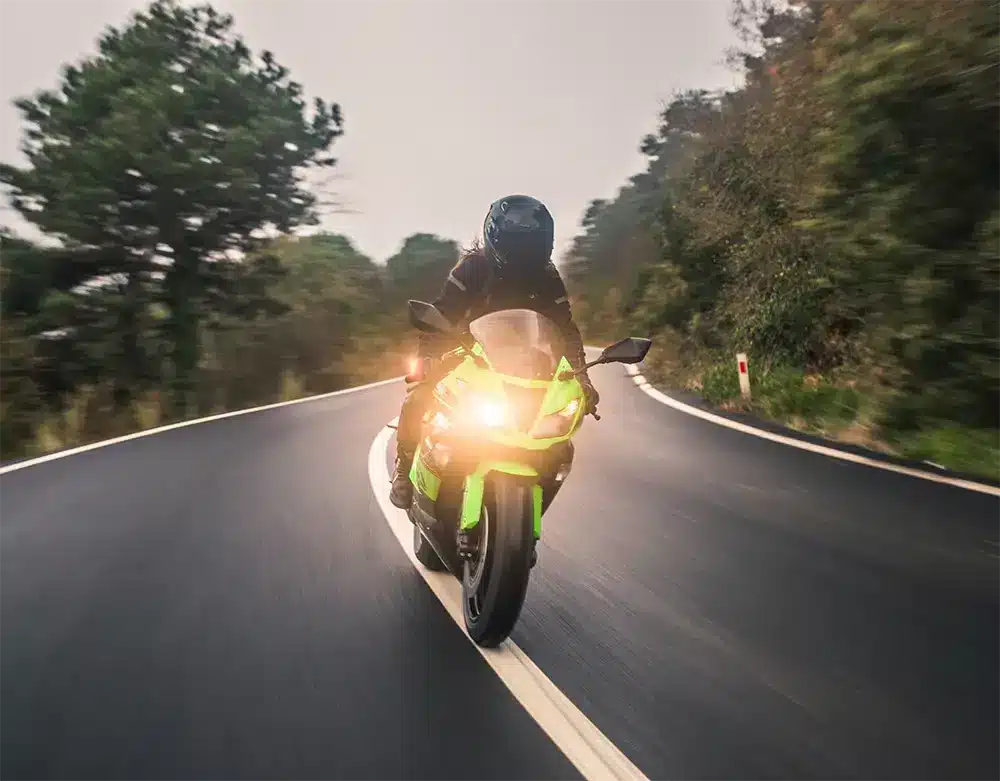
8 Things to do After a Motorcycle Accident
Survival comes above all else. The following list gives you an idea on how to protect yourself and your interests in case of a serious motorcycle crash:
- Your first priority is your safety. Move yourself to a safe location to avoid any further injury. Remember, your bike and your gear is replaceable, but you aren’t.
- Once in a safe location, call 911. Emergency responders take time to arrive, so call as immediately as you can.
- Take photos of the accident. If it’s safe to do so, take photos of the accident as soon as possible before things are moved around. The point of impact and the orientation of your bike and other vehicles involved in the accident is vital. Take particular note of skid marks and any other indicators of an accident. Be sure to step back and take photos of the entire scene too, not just close-ups.
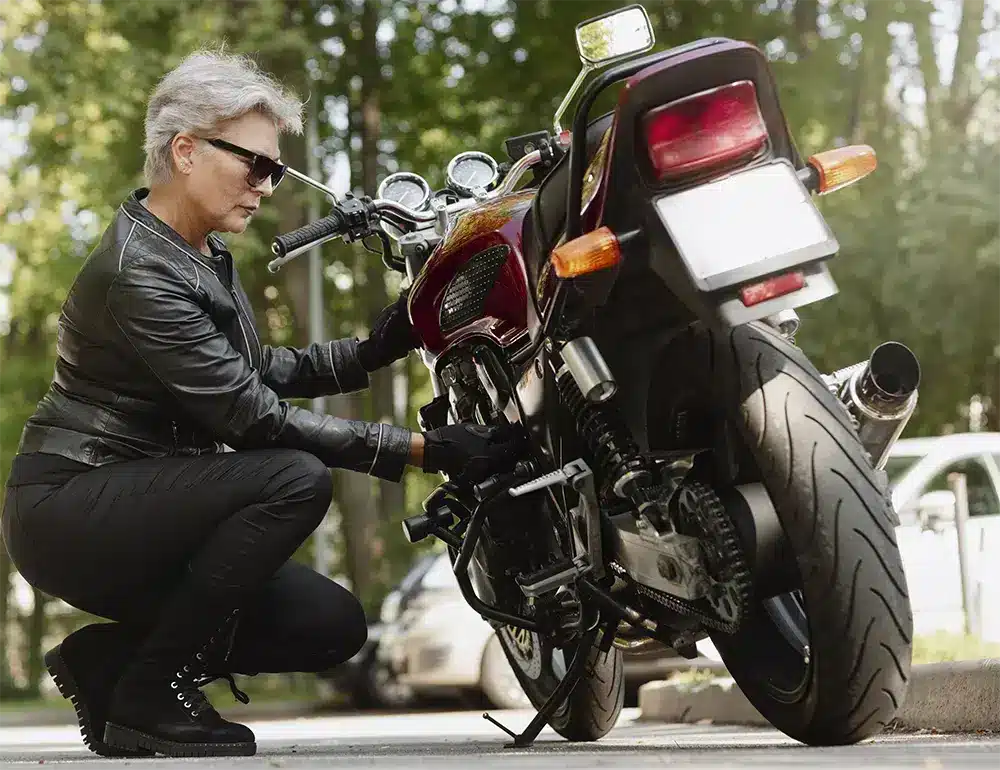
- If you ride with a camera, the footage may be beneficial to your case. Document the accident as best as you can. This can sometimes make the difference between winning and losing. If you have video footage, make sure you back it up to the cloud for safe keeping.
- Get off the road. After you’ve taken pictures, and then only if it’s safe to do so, move your motorcycle off the road. This will reduce the likelihood of additions results.
- Exchange information with the other parties involved. Obtain driver licenses and insurance information from the other parties. Be sure to take pictures of these documents as well as the license plates, if possible. Note: Don’t admit fault under any circumstance. Fault will be determined by professional, which is why you need our expect motorcycle accident lawyers by your side.
- Get to the hospital immediately. If you believe that you’ve been injured, don’t take any chances. Going home and seeing how you feel later is wrong and potentially dangerous. Don’t risk it. Go to the nearest hospital and request immediate medical treatment. It’s better to be safe than sorry, and in many cases unseen injuries such as internal bleeding can’t be self-diagnosed.
- Contact your California motorcycle accident lawyer. Parties involved in the accident can act irrationally. The police might document facts of the case incorrectly. If you’ve been in a crash, your lawyer is the only person with a vested interest in protecting you and your rights.

California Motorcycle Accident Laws Every Rider Should Know
California has specific motorcycle laws designed to protect riders and promote road safety. One of these laws is the lane-splitting law. Lane splitting, the practice of riding a motorcycle between lanes of slow-moving or stopped traffic, is legal in California. It is the only state in the U.S. where lane splitting is explicitly permitted. However, the California Highway Patrol (CHP) provides guidelines to ensure safety while lane splitting. Riders should avoid excessive speeds when lane splitting and be especially cautious when riding next to larger vehicles, such as trucks and buses, which may have limited visibility. Lane splitting at high speeds or recklessly weaving between vehicles can still result in a citation for reckless driving.
California also has a universal helmet law, requiring all motorcycle riders and passengers to wear a U.S. Department of Transportation (DOT)-approved helmet. This law is strictly enforced, and failure to comply can result in fines and penalties. More importantly, wearing a helmet significantly reduces the risk of traumatic brain injuries and fatal injuries in motorcycle crashes. In addition to helmet requirements, riders are encouraged to wear other protective gear, such as gloves, jackets, and boots, to enhance safety on the road.
California law mandates that all motorcyclists carry liability insurance to cover damages and injuries caused in an accident. This requirement ensures that motorcyclists can take financial responsibility in case they are found at fault for a crash. While the state’s minimum insurance requirements must be met, additional coverage options can provide better financial protection.
Motorcycle Accident FAQ
Can I still recover compensation if I wasn’t wearing a helmet?
You might receive compensation after an accident, even without a helmet, depending on the specific details of the case. Despite differences in helmet laws across states you can still seek damages even if you weren’t wearing a helmet. The insurance company might claim that your injuries could have been less severe if you had worn a helmet, which could lead to diminished compensation because of comparative negligence laws. A personal injury lawyer with experience in motorcycle accidents will challenge these claims to make sure you get full compensation for your injuries.
What if the driver who hit me doesn’t have insurance?
You can still seek compensation even if the driver who struck you lacks insurance coverage. Your auto policy may feature uninsured motorist (UM) coverage which provides financial protection for medical costs and lost wages when you’re hit by an uninsured driver. You can initiate a personal injury lawsuit against the responsible driver, but collecting damages may prove difficult if the driver has no assets. There are situations where entities like vehicle manufacturers or government agencies that oversee road safety become targets for damage claims. A motorcycle personal injury lawyer can assist you in investigating every legal path available to increase your financial recovery.
How long do I have to file a motorcycle accident claim?
In California, along with most states, you usually have two years from the motorcycle accident date to submit a personal injury claim. The statute of limitations refers to this time period for filing claims. There are special conditions that apply when government vehicles are involved which can reduce your filing period to just six months. According to the discovery rule, the deadline could be extended if injuries become apparent after the initial period. Failure to meet the deadline forfeits your right to seek compensation; therefore, you should promptly consult a motorcycle accident lawyer to safeguard your claim.
How to Prove Negligence in a Motorcycle Accident Case?
Proving negligence in a motorcycle accident case is crucial to securing compensation for injuries and damages. In California, personal injury claims rely on four key elements: duty of care, breach of duty, causation, and damages. Successfully demonstrating these elements strengthens a motorcycle accident claim and increases the likelihood of obtaining fair compensation.
Duty of Care: All motorists, including car drivers and motorcyclists, have a legal duty of care to operate their vehicles responsibly and follow traffic laws. This duty ensures that everyone on the road, including motorcycle riders, remains safe from preventable harm.
Breach of Duty: A breach of duty occurs when a driver acts carelessly or recklessly, violating traffic laws or engaging in unsafe behaviors. Common examples include speeding, failing to yield, distracted driving, and driving under the influence. In motorcycle accident cases, failing to check blind spots or making an unsafe left turn in front of an oncoming motorcycle are common breaches of duty.
Causation: Proving causation means showing that the at-fault driver’s actions directly led to the motorcycle accident and resulting injuries. This often requires substantial evidence, such as accident reports, witness statements, photos of the crash scene, and video footage from traffic or dash cameras. Additionally, expert testimony from accident reconstruction specialists can help establish how the accident occurred and who was responsible.
Damages: To recover compensation, a motorcycle accident victim must prove they suffered actual damages due to the crash. This includes medical expenses, lost wages, pain and suffering, property damage, and future medical treatment costs. Medical records, hospital bills, pay stubs, and expert opinions from medical professionals can demonstrate the full extent of these damages.
A strong motorcycle accident claim relies on comprehensive evidence. Police reports can provide an official record of the accident, while witness statements help corroborate the injured motorcyclist’s account. Photos of skid marks, traffic signals, road conditions, and vehicle damage can further support the case. Additionally, video footage from surveillance or dashcams can capture the moment of impact, leaving little room for dispute.
In complex cases, accident reconstructionists analyze vehicle positioning, impact angles, and road conditions to recreate the crash and determine liability. Medical professionals can also provide expert testimony on the severity of injuries, the need for ongoing treatment, and how the accident has impacted the rider’s quality of life.
How Much Does It Cost to Hire Motorcycle Injury Lawyers in California?
Most motorcycle injury lawyers in California work on a contingency fee basis, meaning they do not charge upfront fees. Instead, they take a percentage of the final settlement or court award. This percentage typically ranges between 25% and 40%, depending on the complexity of the case and whether it goes to trial. If the case is unsuccessful, the client generally does not owe any legal fees.
Can I Still Win My Case if I Was Partially at Fault for the Accident?
Yes, you can still win your case even if you were partially at fault for the accident. California follows a pure comparative negligence system, which means that an injured motorcyclist can recover compensation even if they share some responsibility for the crash. However, the total compensation will be reduced by the percentage of fault assigned to them. For example, if a motorcyclist is found to be 30% at fault and the total damages amount to $100,000, they would receive $70,000 after the reduction. Insurance companies often try to shift blame onto the injured party to minimize payouts, so having an experienced motorcycle accident attorney can help ensure fair compensation.


